
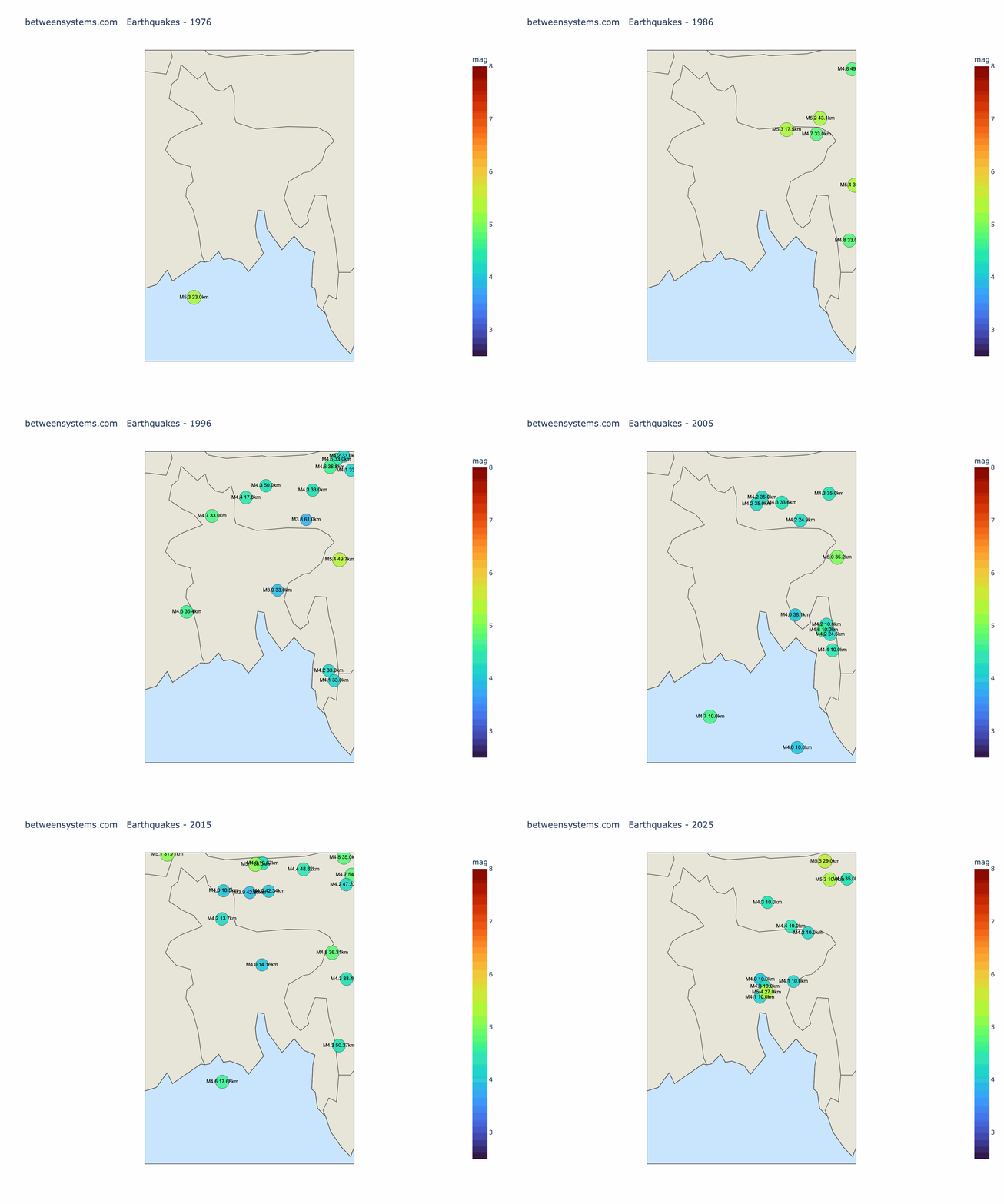
Recent weeks have raised public concern in Bangladesh after several noticeable earthquakes shook the Dhaka–Narsingdi region. Many people are wondering: Is this the start of something dangerous? Has seismic activity suddenly increased? To answer these questions, we analyzed decades of earthquake data across Bangladesh and compared it with the events of 2025. Here is what the numbers — not rumors — actually show.
What the long-term data tells us
A full historical catalog of 465 earthquakes (1976–2025) shows that Bangladesh experiences regular moderate seismicity. The recent activity sits within long-term patterns, but several features of 2025 stand out scientifically:
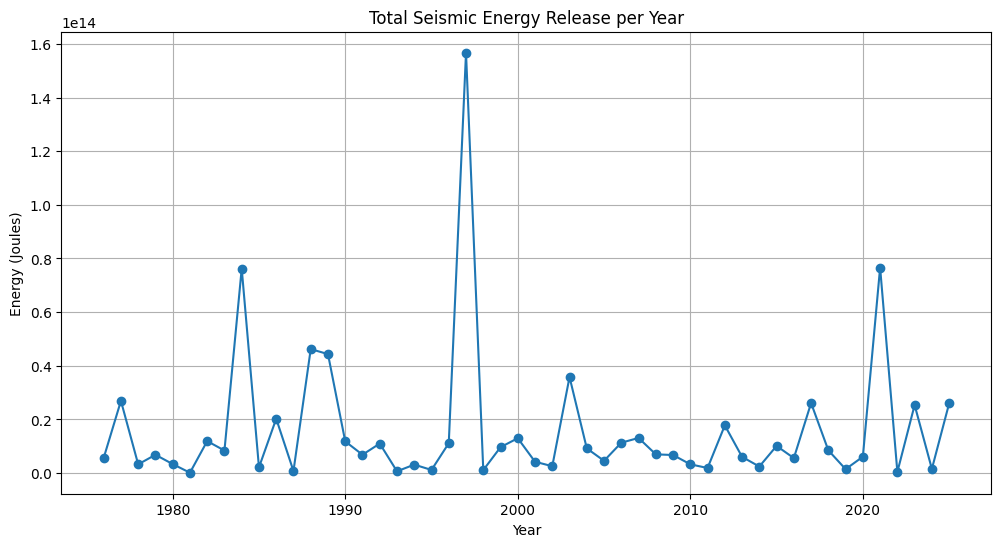
Energy release in 2025 is higher than average
This year’s events have released about 1.65× more seismic energy than the historical yearly average. That increase is driven mainly by the M5.4 earthquake on November 21, the largest event of the year.
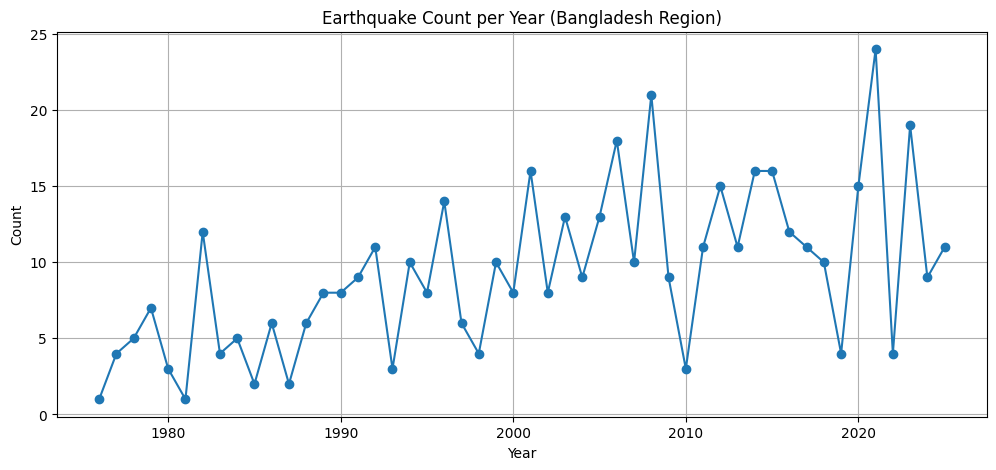
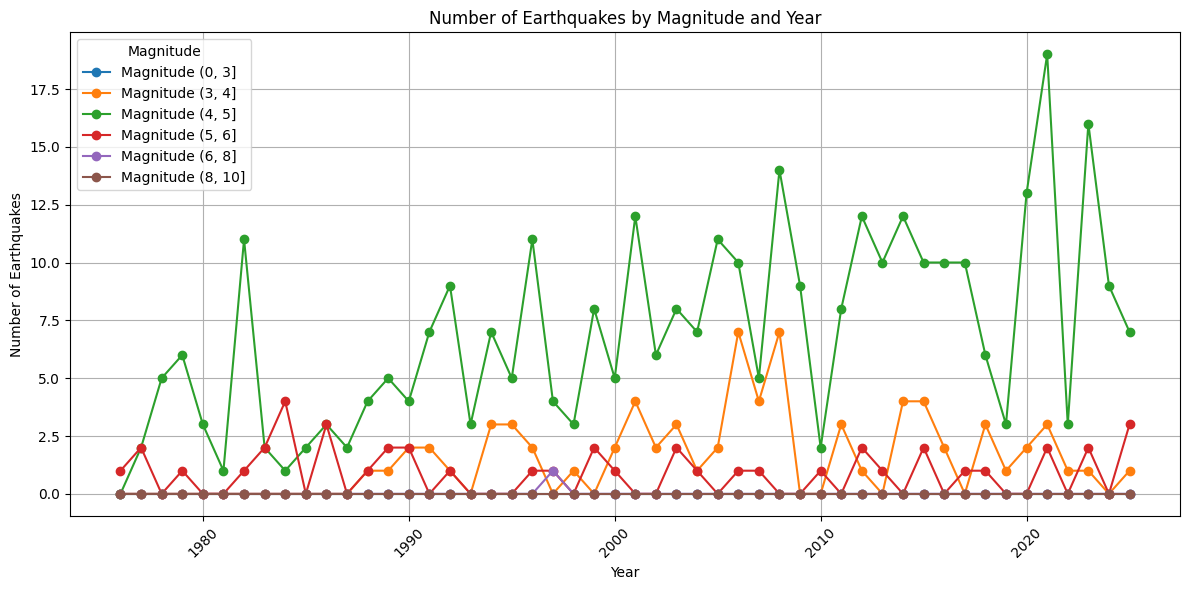
Event counts are not unusually high
Statistical tests show that 2025 has a normal number of earthquakes — no spike in the frequency of events.
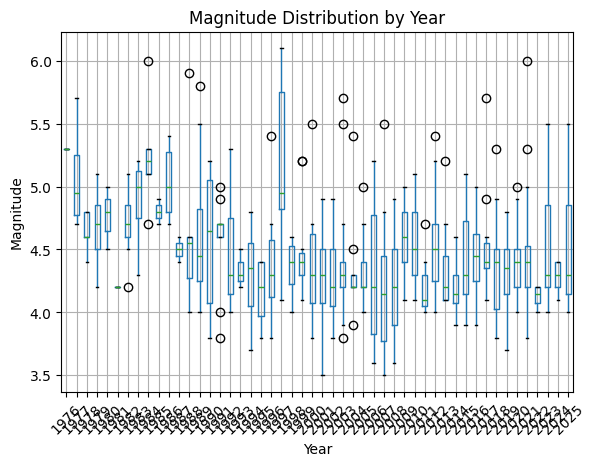
Magnitudes remain in the typical range
The distribution of earthquake magnitudes in 2025 does not differ significantly from previous decades.
Depth is where things get interesting
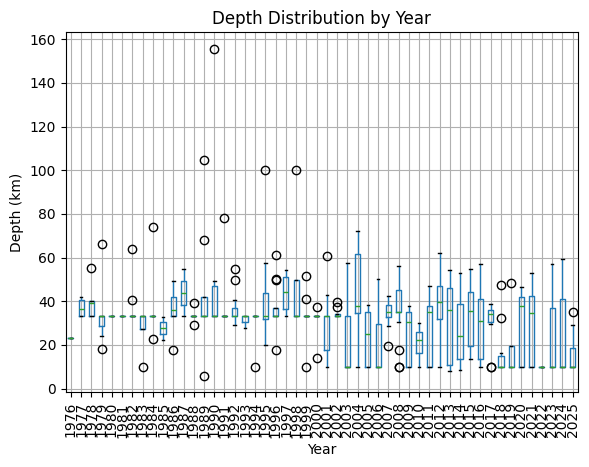
Multiple tests show that 2025 earthquakes are noticeably shallower than in most previous years. Shallow earthquakes are felt more strongly at the surface, even if their magnitudes are moderate.
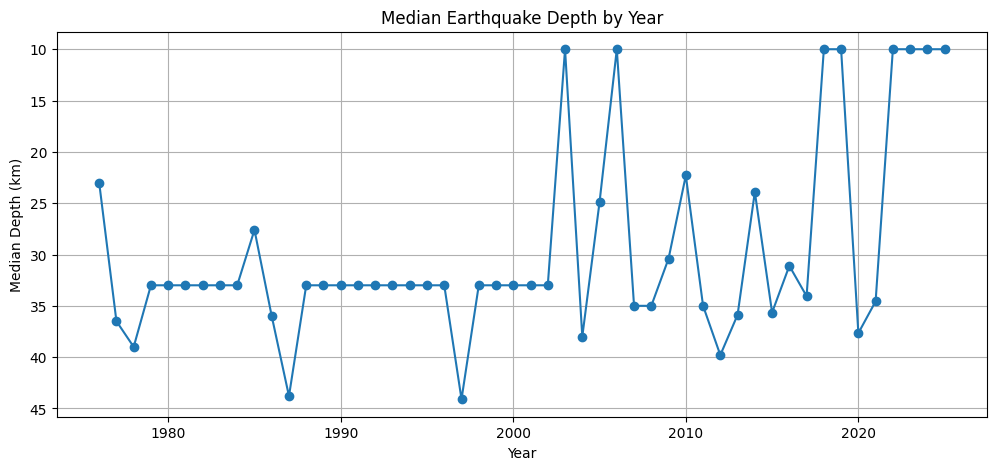
This is one of the most important findings: No unusual increase in the number of earthquakes — but the ones occurring are shallower, so they feel stronger.
Understanding the recent sequence near Dhaka / Narsingdi
So far, four earthquakes attracted public attention in late November and early December:
| Date (UTC) | Mag | Depth | Location |
|---|---|---|---|
| Nov 21 | 5.4 | 27 km | Narsingdi (SSW) |
| Nov 22 | 4.3 | 10 km | Narsingdi (W) |
| Nov 27 | 4.0 | 10 km | Tungi (NNE) |
| Dec 4 | 4.1 | 10 km | Dhaka (ESE) |
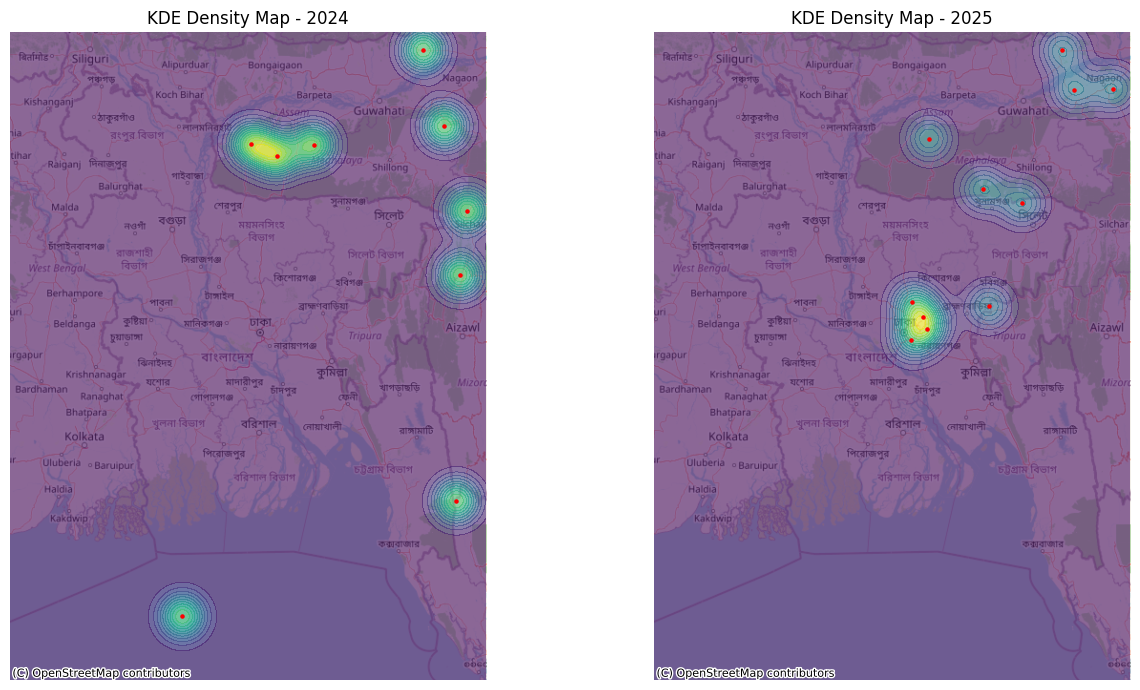
The 21 November M5.4 earthquake is almost certainly the mainshock, assuming no larger event occurred shortly before or after it. Terms like mainshock or foreshock are assigned after the fact, once the full sequence is known. The three subsequent earthquakes — magnitudes 4.0 to 4.3 over the following two weeks — fit the pattern of aftershocks, which is the normal and expected response of the crust after a moderate event like this.
Aftershock models and cluster analysis support this:
- Spatially close
- Shallow
- Occurred soon after the M5.4
- Magnitudes appropriate for aftershocks
There is no scientific indication that the sequence is an "ongoing mega-event" or a sign of an imminent major catastrophe.
Should people be worried?
Short answer: No panic — but yes, be prepared.
Based on the data:
- There is no evidence of a large earthquake building up in the immediate future.
- The pattern fits a normal mainshock–aftershock sequence.
- Bangladesh’s long-term seismic environment is active, but this year is not unprecedented.
That said, shallow earthquakes, even at moderate magnitudes, can shake cities hard, especially in cities like Dhaka with probably thousands of vulnerable buildings. This means:
- Risk exists
- But it is manageable
- Preparedness is the key difference-maker
Why shallow earthquakes matter more
Our analysis found a statistically significant shift toward shallower depths in 2025. This is important because:
- A shallow M4–M5 can feel like a deeper M6 in terms of surface shaking.
- Dhaka has many old and unreinforced structures that are more sensitive to this kind of shaking.
- Even without a major earthquake, shallow moderate events can cause injuries, wall collapses, and infrastructure disruption.
So the message is not "a big earthquake is coming." The message is: a moderate earthquake can still be damaging if buildings are fragile — so strengthen preparedness now.
What people and communities can do right now
A. Stay informed without panic
Follow official bulletins from:
- Bangladesh Meteorological Department (BMD)
- National Disaster Response agencies
- Universities or credible institutions
B. Community organization
- Form local volunteer preparedness groups in neighborhoods.
- Identify safe open spaces.
- Help elderly or disabled neighbors with emergency planning.
- Practice evacuation routes.
C. Training and drills
Push local authorities and community leaders to:
- Organize earthquake safety workshops.
- Conduct drop–cover–hold-on drills in schools, offices, and markets.
- Teach people how to check homes for hazards (loose shelves, falling objects, unsecured gas cylinders).
D. Structural safety
Citizens and journalists should push authorities to:
- Enforce building codes more strictly.
- Inspect vulnerable buildings, especially schools and hospitals.
- Provide public guidance on strengthening old structures.
E. Spread helpful information
Local organizations can print simple, factual pamphlets covering:
- What to do during shaking
- How to prepare emergency kits
- Where to gather after an earthquake
- How aftershocks behave
- What NOT to believe on social media
Helping people understand what is normal in an earthquake sequence reduces fear — and that improves safety.
Final takeaway
No, Bangladesh is not currently experiencing a dramatic, unprecedented seismic crisis. But yes, 2025’s earthquakes — especially the shallow M5.4 near Narsingdi — remind us that Bangladesh sits in an active tectonic region where moderate earthquakes can be strongly felt.
- The number of earthquakes is normal.
- Magnitudes are normal.
- Depths are shallower, so shaking feels stronger.
- The recent events fit a mainshock–aftershock pattern.
- Preparedness, not panic, is the appropriate response.
Earthquakes cannot be stopped, but knowledge, training, and readiness can prevent injuries and save lives. The best time to prepare is before a larger earthquake happens — and these recent events give Bangladesh a valuable opportunity to do exactly that.
For those interested in the full analysis, code, and data, it is available on this GitHub repository.
Verified Sources Covering 2025 Earthquake
- No, Dhaka Is Not At Risk of a 9.0 Earthquake That Would Liquefy the City by Asifur Rahman Khan
- The Latest Earthquake Was a Warning Sign: Bangladesh Isn’t Ready by Thomas L. Davis